
Why is Training and Learning Condition Monitoring of Rotating Equipment Important?

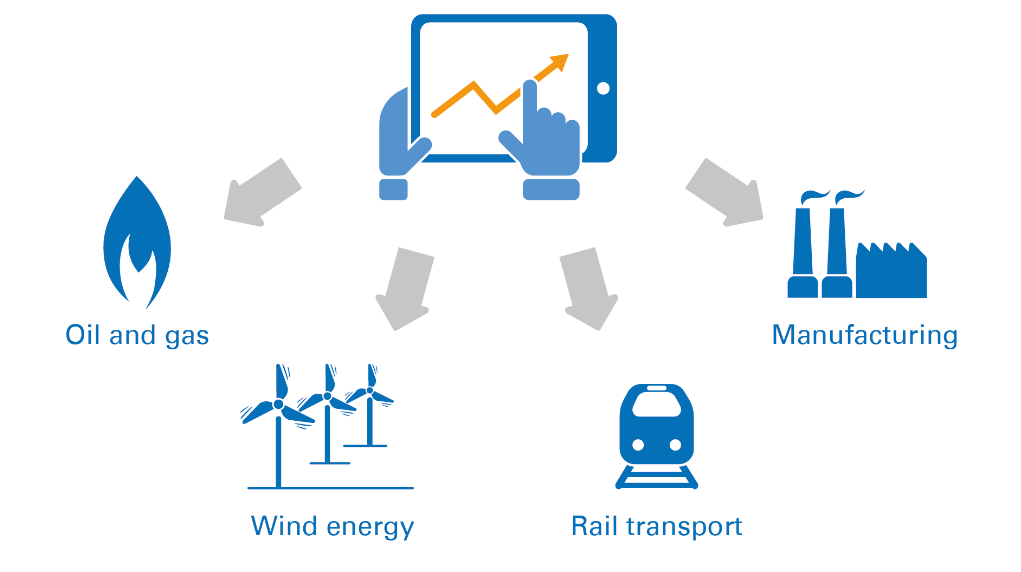
Condition Monitoring (CM) is one of the most critical and cost-effective maintenance techniques in large-scale industries. While CM techniques vary, especially for rotating equipment, methods such as Vibration Analysis, Oil Analysis, Thermography, and Sound Measurement (Ultrasonics) are most commonly used. However, other techniques like Motor Current Signature Analysis (MCSA) and thickness measurement are also utilized.
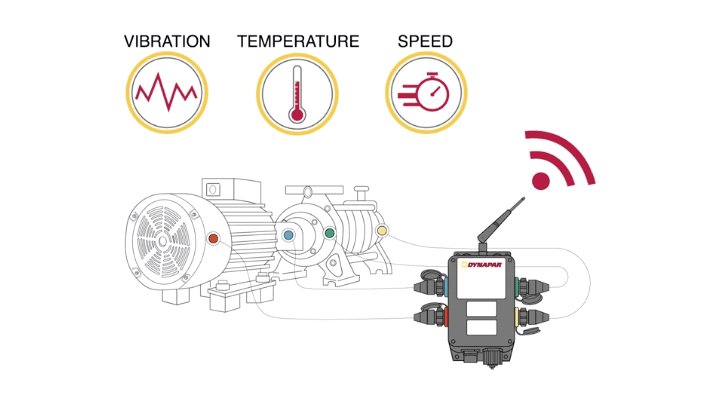
Maintenance systems significantly reduce final product costs and have gained special importance in today’s competitive world. Among these, maintenance based on machine operating conditions—known as Condition Monitoring—is paramount. In this approach, by analyzing the operating machine’s condition (e.g., analyzing vibration signals), potential defects are detected. Consequently, necessary planning for repairs is executed at the earliest opportunity, preventing breakdowns or sudden system shutdowns.
The Importance and Value of Condition Monitoring in Defect Resolution

Not everything needs to be monitored. The key to continuously increasing your equipment uptime is to evaluate, plan, and execute monitoring based on asset criticality and failure consequences. A small gearbox motor that costs a nominal amount, whose failure does not disrupt production, and which can be quickly replaced by a distributor, is not considered a critical asset and does not require monitoring. Conversely, high-value assets whose failure would halt production require continuous Condition Monitoring.
Condition Monitoring (CM) should never be treated merely as a promotional tool. To monitor equipment effectively, it must be implemented in coordination with a robust maintenance strategy and feedback loops from the maintenance team or contractors. Maintenance is a skill, not just a science. A correct maintenance program requires attention to multiple factors; simply following equipment trends without context is insufficient.
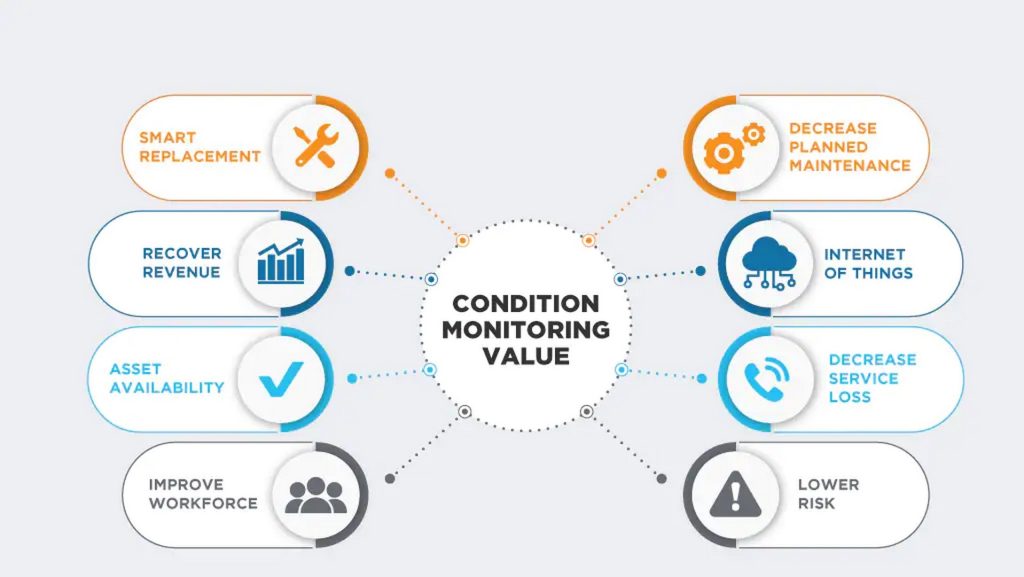
Key Benefits of Condition Monitoring:
-
CM can be effective in timely and smart equipment deployment.
-
CM can be effective in reducing unnecessary scheduled maintenance.
-
CM can be effective in improving revenue and Return on Investment (ROI).
-
CM can improve your equipment availability.
-
CM can prevent the waste of service resources.
-
CM can reduce the risk of equipment failure.
-
CM can improve the working conditions of your operational staff.